
Export Packaging for Bathroom Cabinets
Bathroom vanities combine furniture, hardware and fragile sanitary components in one shipment. A carton that is adequate for a cabinet alone may not protect a ceramic basin or mirror through handling, ocean freight and final delivery. Export packaging should be designed around the actual configuration and the way it will move after it leaves the factory.
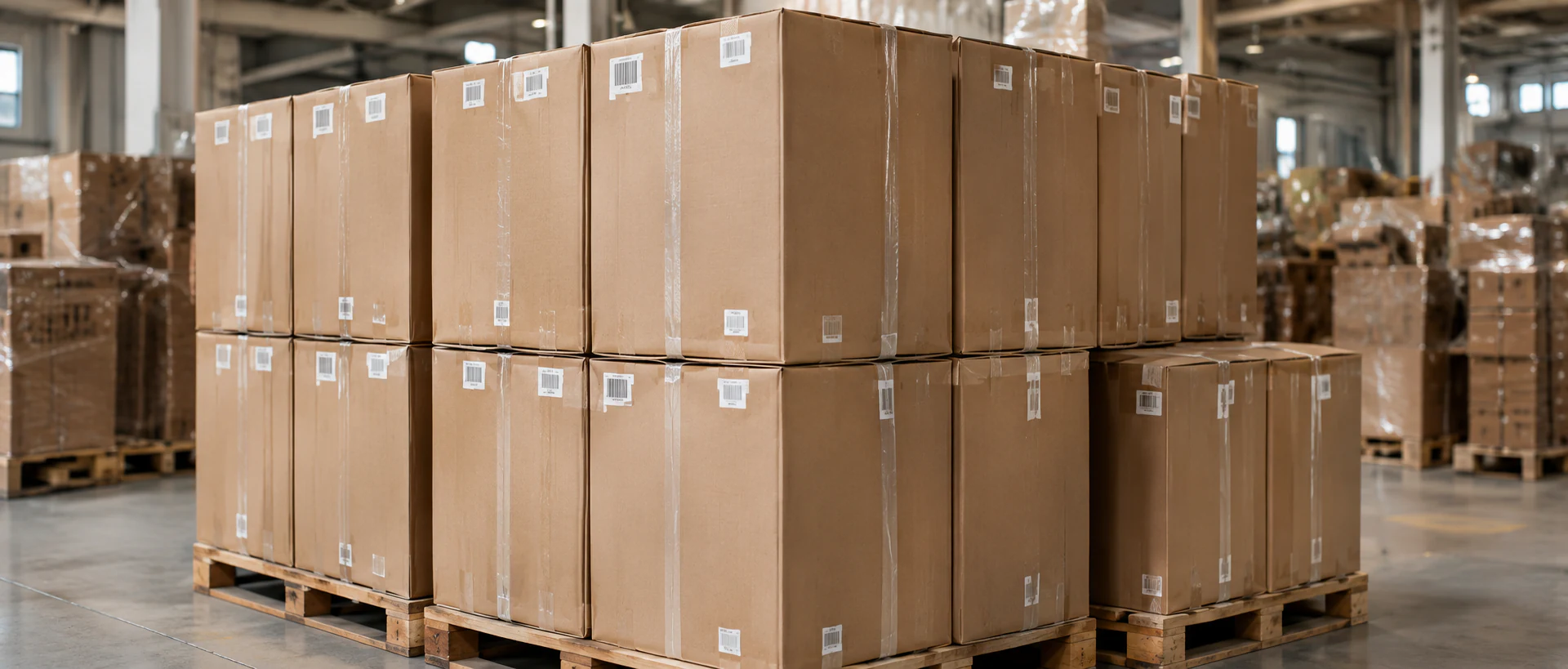
Map the journey and handling points
Start with the route: factory handling, container loading, port movement, warehouse receiving and possibly parcel or site delivery. Each transfer adds a different risk. A full-container project shipment that is unloaded once is not the same as a retail unit that passes through a distribution network.
Tell the supplier whether cartons will be palletized, clamped, hand-carried or reshipped individually. Packaging cannot be judged only by how it looks at the factory door.
Protect the cabinet where damage actually starts
Corners, projecting handles, lower edges and finished faces deserve specific protection. Doors and drawers should remain secure without placing damaging pressure on the finish. Internal shelves or loose fittings need restraint so they do not move inside the cabinet during transport.
The carton, protective foam and any corner pieces should fit the product closely enough to limit movement. If the model has fluted, curved or high-gloss fronts, agree how the face is separated from abrasive packaging surfaces.
Treat basins, tops and mirrors as separate risks
Ceramic basins are vulnerable to point impact; mirrors need face and edge protection; stone or sintered tops require support that limits bending. Confirm whether each part ships installed or in its own carton and how the cartons are matched as one set.
There is no universally best arrangement. Shipping components separately may improve protection but adds sorting and installation work. Shipping them assembled can simplify receiving but increases the weight and changes how shocks reach the cabinet. Review the complete pack, not just the outer carton.
Make labels useful from port to installation
The outer mark should use the same model, finish and size references as the packing list. Add carton sequence when one set has several packages—for example, carton 1 of 3. Handling icons are useful only when they are visible and the packing method actually supports the instruction.
Hotel and apartment orders may need room type, building or phase information. Keep those references stable and readable. The detailed guide to carton labels and packing marks explains how to align them with order documents.
Approve evidence, not a generic packaging promise
Ask for a packaging specification or sample that identifies the carton arrangement, protective materials and component positions. Photos of the actual packed model are useful for confirming that the agreed method reached production. If formal transit testing is required, define the applicable test and acceptance criteria in the purchase agreement.
Packaging is part of product quality, but it should also be proportionate. The goal is not simply more material; it is protection in the right places, a manageable carton and a clear receiving system.
Frequently Asked Questions
Should a basin be packed separately from the vanity cabinet?
It depends on the configuration, weight, installation plan and tested packing method. Confirm the arrangement for each model rather than applying one rule to the whole range.
What information belongs on an export carton?
Common details include model, finish, size, quantity, carton number, gross and net weight, dimensions, destination marks and appropriate handling symbols.
Are pallets always required for bathroom vanities?
No. Pallet use depends on the route, warehouse requirements, container efficiency and handling method. State the destination requirement before the loading plan is finalized.
How can a buyer approve packaging remotely?
Review the packaging specification, carton artwork and clear photos or video of the actual sample pack. Define any required testing before production.
Is thicker packaging always better?
Not necessarily. Effective packaging controls movement and protects vulnerable points while remaining practical to handle and load.
Discuss the product route, fragile components and private-label carton needs with GOGO through OEM & ODM or Contact Us.